Every day the world gives us something new to worry about, complain about or forward to somebody else. The intercessor discovers another response: she can pray. We hear about violence, corruption, struggling communities, injustice, economic pressure, broken institutions, families under strain and decisions being made by leaders that will affect people we may never meet. With a phone in our hands, we can receive troubling news from the other side of the world before we have even finished breakfast. If we are not careful, constant exposure to everything going wrong can train our hearts to become either fearful or cynical.
Sometimes we can spend forty minutes explaining exactly what is wrong with the country, why everything is getting worse, who caused it, who should have prevented it and what everybody should be doing differently. Then, having completed our unofficial national address, we conclude, “Only God can help us.” Perhaps that is where the conversation should have started. Isaiah writes:
“I have set watchmen upon thy walls, O Jerusalem, which shall never hold their peace day nor night: ye that make mention of the LORD, keep not silence, And give him no rest, till he establish, and till he make Jerusalem a praise in the earth.” — Isaiah 62:6–7 KJV
These words were spoken concerning Jerusalem and God’s purposes for Zion. We should not simply replace Jerusalem with the name of any modern nation and pretend the historical context does not matter. Yet within this passage is a powerful picture of watchfulness, remembrance and persistent appeal before God. There are people upon the wall who see, remember what God has spoken and refuse to become silent.
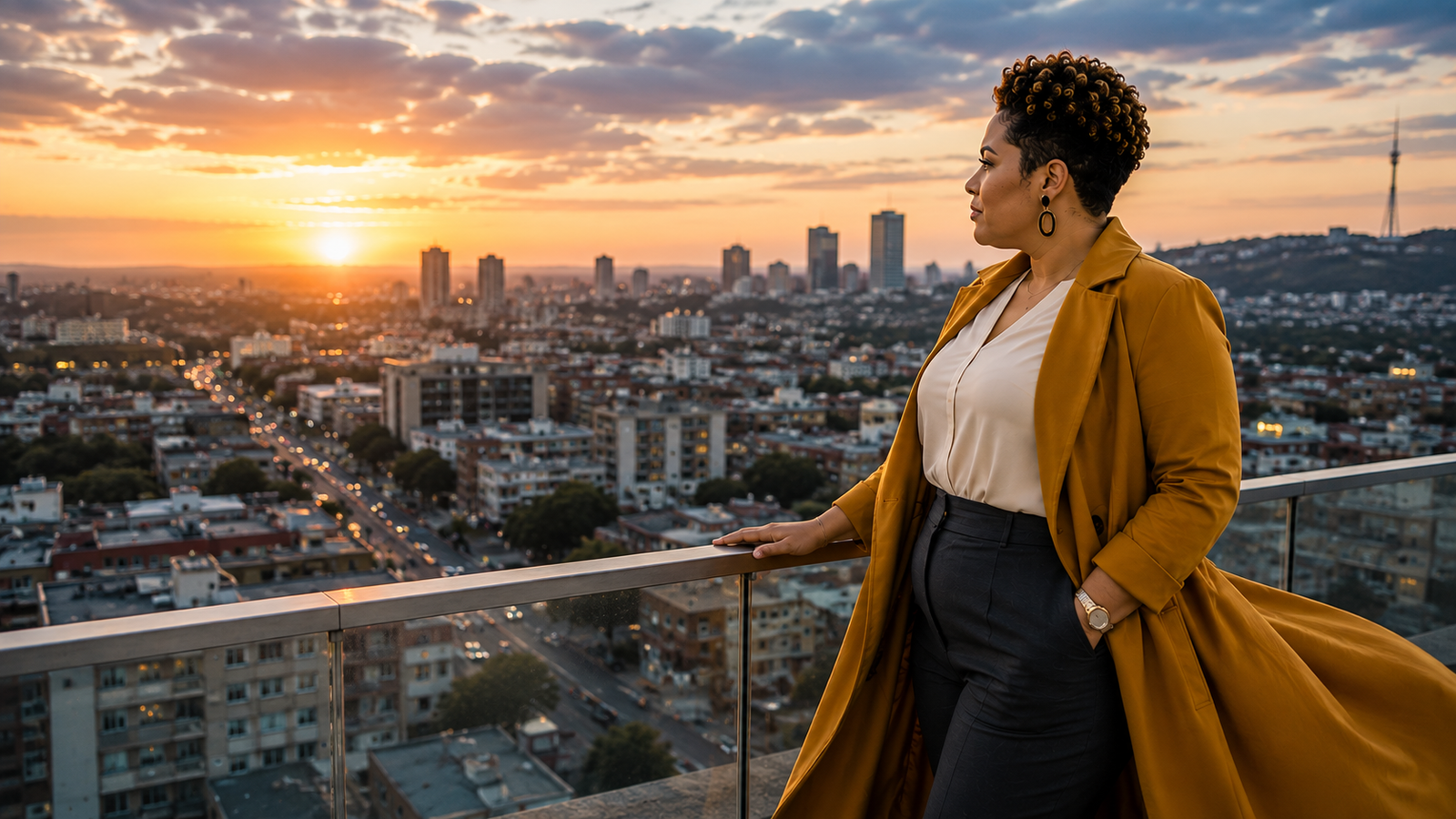
Today, we are learning what it means to become women on the wall.
The Watchman Was Positioned To See
In the ancient world, watchmen occupied strategic positions where they could observe what was approaching a city. Their responsibility required attentiveness because what they noticed mattered to the people within the walls. The spiritual picture is important. Watchfulness begins with learning to pay attention, but biblical watchfulness is not merely noticing problems. Anyone can notice that something is wrong. The praying woman learns to take what she sees into the presence of God.
She notices what is happening among young people and prays. She sees pain within her community and prays. She becomes aware of pressure facing families, schools, churches or neighbourhoods and allows what she sees to awaken compassion rather than merely criticism. The wall is therefore not a place from which we look down upon people. It is a place of responsibility.
There is a tremendous difference between watching people so that we can judge them and watching over people so that we can pray for them.
Watchmen Remember God
There is a beautiful phrase in Isaiah’s prophecy: “…ye that make mention of the LORD, keep not silence.” The watchmen are not merely conscious of what is happening around Jerusalem. They are conscious of God. That distinction protects the heart of an intercessor. If you spend all your time looking at problems, eventually the problems become enormous in your imagination. Crime becomes enormous. Corruption becomes enormous. Economic difficulties become enormous. Political instability becomes enormous. Cultural confusion becomes enormous. Meanwhile, without realizing it, your consciousness of God becomes smaller.
The woman on the wall sees reality clearly without allowing reality to become greater in her heart than God. She remembers His character. She remembers His power. She remembers His mercy. She remembers His Word. She remembers that human history has never reached a moment where God suddenly became nervous about what people were doing.
I refuse to let constant exposure to bad news train my heart to expect darkness more readily than I expect God to work through His people.
Watchfulness Is Not Fear
This is especially important in an age of endless information. Being spiritually watchful does not mean becoming suspicious of everything. It does not mean every headline is prophetic. It does not mean every unusual event is secretly announcing something. And spending six hours watching frightening videos online until you can no longer sleep is not necessarily discernment.
Discernment makes us more useful in prayer; fear simply makes us more frightened. Paul reminds us:
“For God hath not given us the spirit of fear; but of power, and of love, and of a sound mind.” — 2 Timothy 1:7 KJV
A woman on the wall needs a sound mind because she must be able to see trouble without becoming controlled by it. She can acknowledge danger without surrendering to panic and recognize serious problems without declaring everything hopeless. Prayer does not require denial. It requires perspective.
Pray For The Place Where God Has Placed You
Jeremiah gives us another remarkable instruction. God’s people were living in Babylon, a place they had not chosen as their ideal home, yet God told them:
“And seek the peace of the city whither I have caused you to be carried away captives, and pray unto the LORD for it…” — Jeremiah 29:7 KJV
Think about that. God told people living in exile to pray for the welfare of the place where they lived. This means you do not have to approve of everything happening in a community before you can pray for its good. In fact, sometimes the very things troubling you should become reasons to intercede. Pray for the city where you live. Pray for your neighbourhood. Pray for schools. Pray for places where people work. Pray for those responsible for public safety. Pray for businesses creating employment. Pray for communities affected by violence, poverty or injustice. The word nation can feel enormous until we remember that nations are made of actual people living ordinary lives.
The Altar Must Be Bigger Than Political Loyalty
Yesterday we touched on Paul’s instruction in 1 Timothy 2. He says prayers should be made:
“For kings, and for all that are in authority…” — 1 Timothy 2:2 KJV
Paul did not add, “provided you like them.” Intercession is not political endorsement. We can disagree with a leader and still pray that God gives that person wisdom. We can desire accountability while praying for justice. We can oppose corruption while praying for those holding public responsibility to make decisions that protect people and promote peace.
Our prayer life should never become captive to political camps. The woman on the wall belongs first to Christ. She therefore learns to pray beyond personal preference, asking that righteousness, justice, wisdom, peace and truth prevail.
Begin With The Street Outside Your Door
Sometimes the phrase praying for the nations sounds wonderfully spiritual because nations are large and impressive. But what about your neighbourhood? What about the people you regularly pass? What about the school nearby? What about the young people gathering around your community? What about the elderly person living close to you? What about the local church trying to reach people? What about the business owner struggling to keep people employed? Global intercession is beautiful, but compassion should not become so global that it becomes invisible locally.
You may never stand before presidents or address parliaments, but you can stand before God. And you can carry the place where He has positioned you.
The Woman On The Wall Must Also Live What She Prays
Prayer for communities cannot become an excuse for avoiding responsibility. If we pray against corruption but practise dishonesty whenever it benefits us, our lives contradict our prayers. If we pray for peace while spreading hatred, something is wrong. If we pray for justice while treating vulnerable people unfairly, we have missed the point. The woman on the wall should not pray for a better nation while helping create a worse neighbourhood.
Intercession should gradually form something in the intercessor. Prayer for justice should make us value justice. Prayer for peace should make us peacemakers. Prayer for integrity in leadership should make us examine integrity in our own lives. Prayer for compassion should affect how we treat actual human beings. God may answer some of our prayers partly by changing the people who are praying them.
“Give Him No Rest”
Isaiah uses striking language: “And give him no rest, till he establish…” This does not picture an unwilling God whom we must irritate until He finally agrees to help us. The watchmen are persistently appealing concerning what God Himself has purposed. Persistent intercession refuses to become indifferent simply because change takes time. Some things will not transform overnight. A struggling community may require years of faithful work. A nation may pass through complicated seasons. A generation may need sustained prayer. The woman on the wall does not measure the value of prayer only by how quickly circumstances change. She remains faithful because she knows Who hears her.
Your Altar Has Become Larger
Something beautiful has happened during this phase of Prayer Awakening. When we began Day 22, we asked God to make us women willing to stand in the gap. Since then, our prayer vision has gradually widened. We have carried other people before God, prayed for the next generation, brought our homes before Him, surrendered what we are building, and prayed for the Church and its leaders. Today our hearts stretch further still as we carry communities, cities and nations.
This is what happens when the secret place matures us. We discover that prayer cannot remain forever centred upon ourselves. The woman whose altar has awakened begins seeing beyond her own needs. Her heart develops room for people she may never meet and situations from which she may never personally benefit. So today, look at your community differently. Look at your city differently. Look at your nation differently. Do not merely ask, “What is going wrong?” Ask: “Lord, how would You have me pray?” Then take your place on the wall, not as a frightened spectator watching darkness spread, but as a woman who remembers God, carries people before Him and refuses to surrender her generation to hopelessness.
Declarations
◆ I receive grace to remain spiritually watchful without becoming controlled by fear, anxiety or suspicion.
◆ I will allow what I see around me to produce wise intercession rather than endless criticism and hopeless commentary.
◆ I refuse to allow bad news to become greater in my consciousness than the power, wisdom and faithfulness of God.
◆ I pray for the peace, righteousness, justice and wellbeing of the community and nation where God has placed me.
◆ I will pray for those carrying public responsibility whether or not I personally agree with them, asking God for wisdom, integrity and justice.
◆ I refuse to allow political loyalty, cultural prejudice or personal preference to become greater than my allegiance to Christ.
◆ I will remember the people and needs immediately around me rather than speaking about nations while remaining indifferent to my own community.
◆ The integrity, compassion and righteousness I ask God to establish around me will increasingly become visible in my own life.
◆ I receive perseverance to remain faithful in intercession even when the changes I desire do not happen quickly. ◆ I take my place as a woman of prayer who remembers God, carries her generation before Him and refuses to surrender her community to hopelessness.